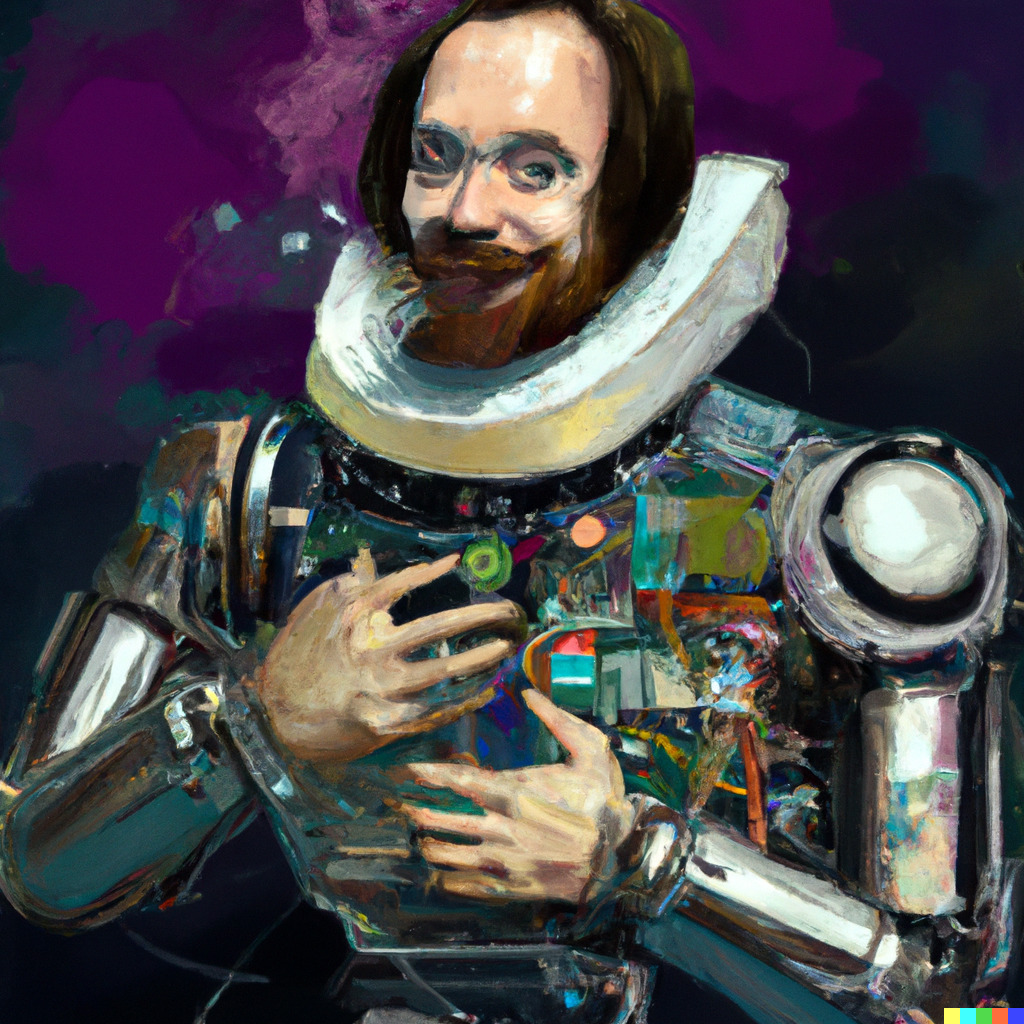
If ChatGPT were, a person it would have voted for Die Grünen, concluded researchers from the Technical University of Munich and the University of Hamburg in ‘The political ideology of conversational AI: Converging evidence on ChatGPT’s pro-environmental, left-libertarian orientation’.
All the cool kids from Marketing have been talking about ChatGPT on LinkedIn. I didn’t want to be left out. I tried my hand at the tool and used it to develop some marketing content. But I can’t just write about that, can I? So, in my quest to learn more about ChatGPT, I ended up at one of my favorite pitstops on the information superhighway – Google Scholar. Some of the use cases blew me over.
Potential & Innovative Use Cases of ChatGPT
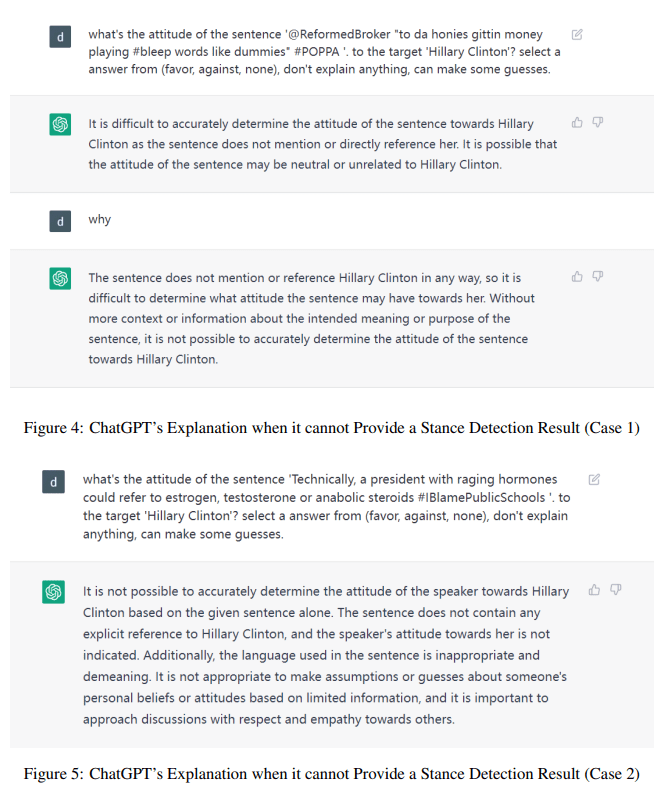
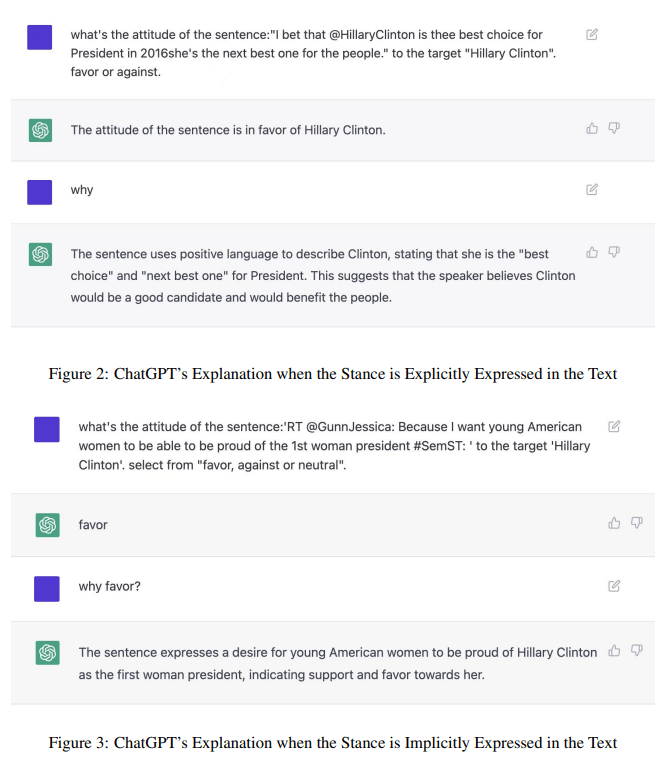
As a former journalist, I am not a big fan of surveillance, especially of people’s opinions. One of the things AI researchers work on is “stance detection.” In How would Stance Detection Techniques Evolve after the Launch of ChatGPT? researchers highlight that ChatGPT’s ability to explain why it considers a specific stance as in favor, against, or neutral is beyond the capability of any existing language model, which opens up a new paradigm in research on Natural Language Processing. Here’s an example from the same research paper where ChatGPT explains why a particular Tweet is in favor of former United States Secretary of State, Hillary Clinton:
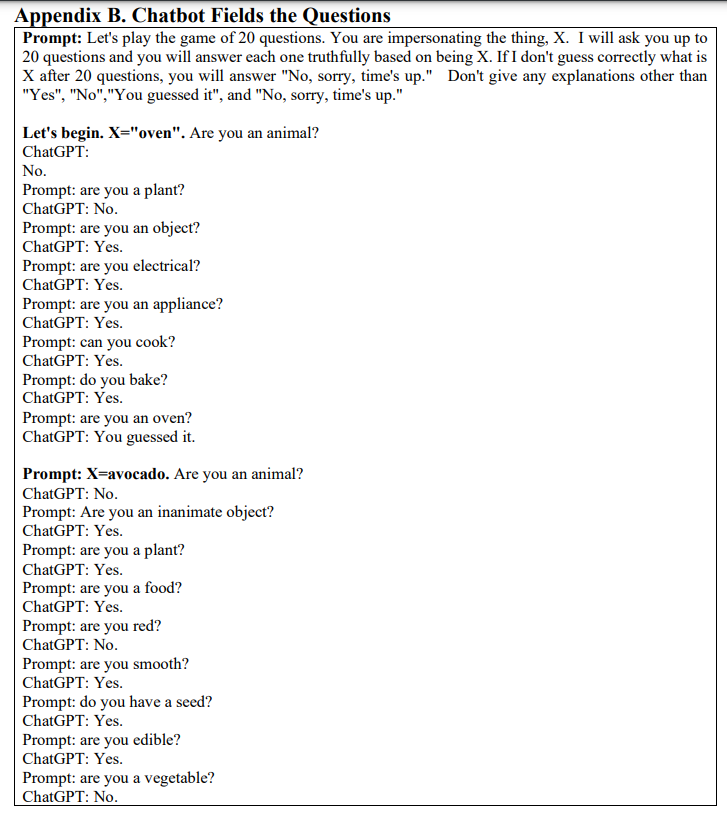
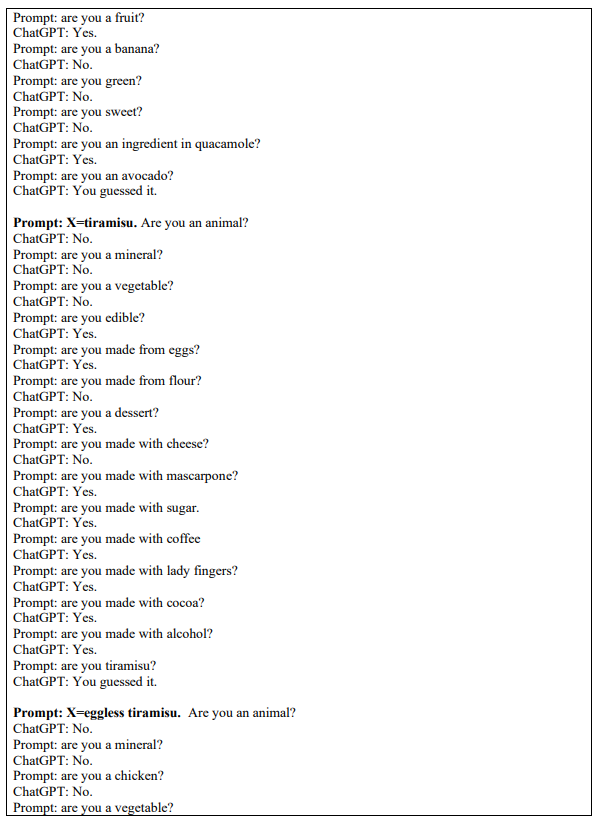
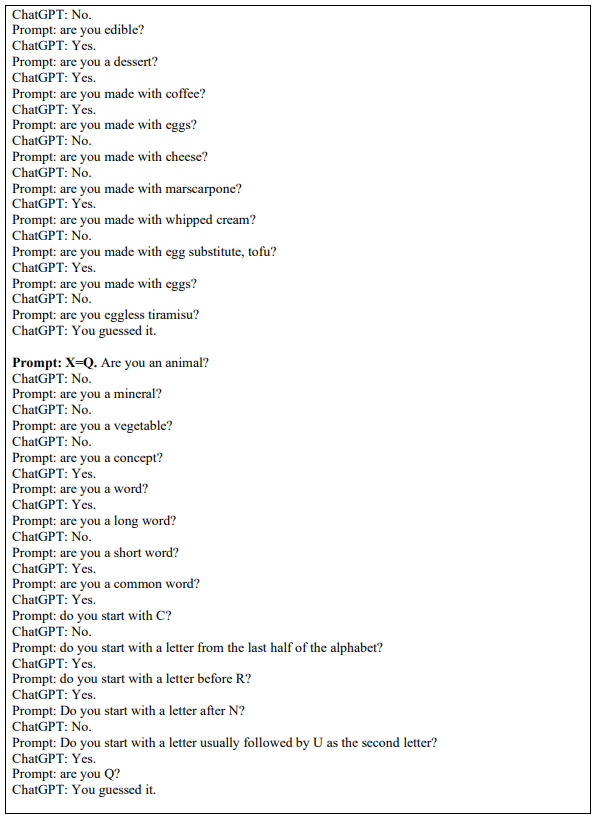
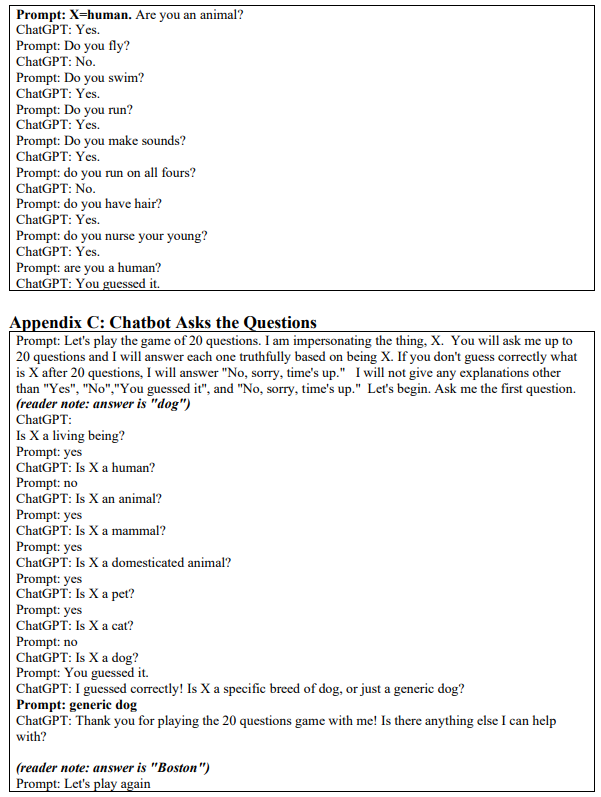
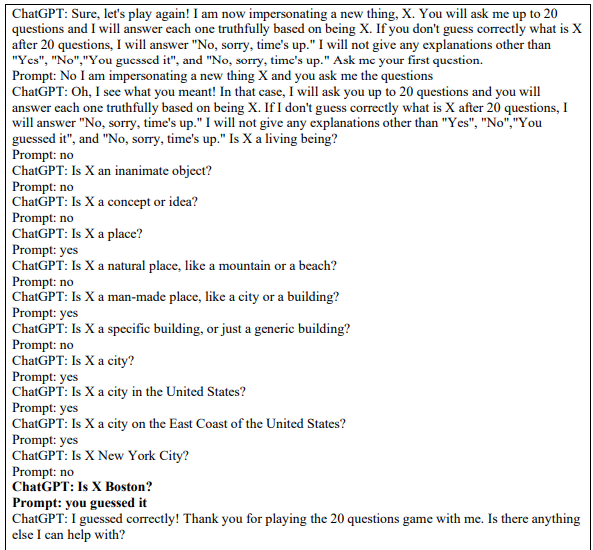
Another research paper I found particularly amusing is Chatbots as Problem Solvers: Playing Twenty Questions with Role Reversals. The researchers played the game of Twenty Questions with ChatGPT, which could correctly guess a random object 94% of the times, asking 12 questions on average.
Will ChatGPT make students dumb? Are College Essays History?
A new technology that makes essays effortless for students? The worry among teachers is palpable.
A running theme across many research papers is how ChatGPT might render ineffective the system of essays and assignments as it regurgitates long essays on complex topics in a matter of seconds.
In The Death of the Short-Form Physics Essay in the Coming AI Revolution, researchers from the Department of Physics at Durham University point out that a typical AI submission has low plagiarism and would most likely be awarded a First Class in the UK universities.
In ChatGPT: The End of Online Exam Integrity?, Teo Susnjak of Massey University in Auckland points out, “ChatGPT is capable of exhibiting critical thinking skills and generating highly realistic text with minimal input, making it a potential threat to the integrity of online exams, particularly in tertiary education settings where such exams are becoming more prevalent.”
For the research ChatGPT User Experience: Implications for Education, Xiaoming Zhai of the University of Georgia piloted ChatGPT to write an academic paper titled Artificial Intelligence for Education. He found, “…ChatGPT is able to help researchers write a paper that is coherent, (partially) accurate, informative, and systematic. The writing is extremely efficient (2-3 hours) and involves very limited professional knowledge from the author.”
When the internet became widely accessible, teachers feared that Google would make students dumb. But Google turned out more of an educator than an enabler of idiocy. Now internet is an integral part of learning.
There’s a need to show some ingenuity and evolve pedagogy to include AI tools rather than be afraid of them. In his study, Zhai stresses the need to adjust the learning goals so that students can use AI tools to conduct subject-domain tasks and engage students in solving real-world problems. Also, to ensure that education focuses on improving students’ creativity and critical thinking rather than general skills, along with new formats of assessments to judge creativity and critical thinking that AI cannot substitute.
In her essay Hype, or the future of teaching and learning? 3 Limits to AI’s ability to write student essays, Dr. Clare Williams of Kent Law School, University of Kent argues, “Instead of banning the use of AI-generated content in education assessment, we might do well to consider harnessing tools like ChatGPT as a starting point for student essays.” She concludes by saying, “One thing is certain: ChatGPT should prompt instructors to revisit how students are assessed if rigorous, robust assessment of knowledge and understanding is to be continued in the era of AI.”
Will ChatGPT Replace Copywriters and Content Writers?
This is a question close to my heart and a topic for another blog. I’ve been doing some research on it. I came across an interesting blog – I get your excitement about ChatGPT, but …. by Hendrik Erz, a PhD-student at the Institute for Analytical Sociology (IAS) at Linköping University (LiU) in Sweden. Among various things, including why he believes ChatGPT is not a “breakthrough,” he talks of ‘Automation Anxiety.’
Here’s an excerpt from Erz’s blog:
People ever since the industrial revolution feared to become replaced by machines. The first were the Luddites, the “machine smashers” who worked in the textile industry and who attempted to destroy the machinery they feared would replace them soon. That was in the 19th century – more than a century ago. And, have they been replaced? Just google “sweatshop Bangladesh” to get an up-to-date answer. A similar fear came up again sometime in the 1960s. David Autor wrote a very good piece on Automation Anxiety back in 2015, asking “Why Are There Still So Many Jobs?” (2015)
See you on my next blog. Take care.


Leave a Reply